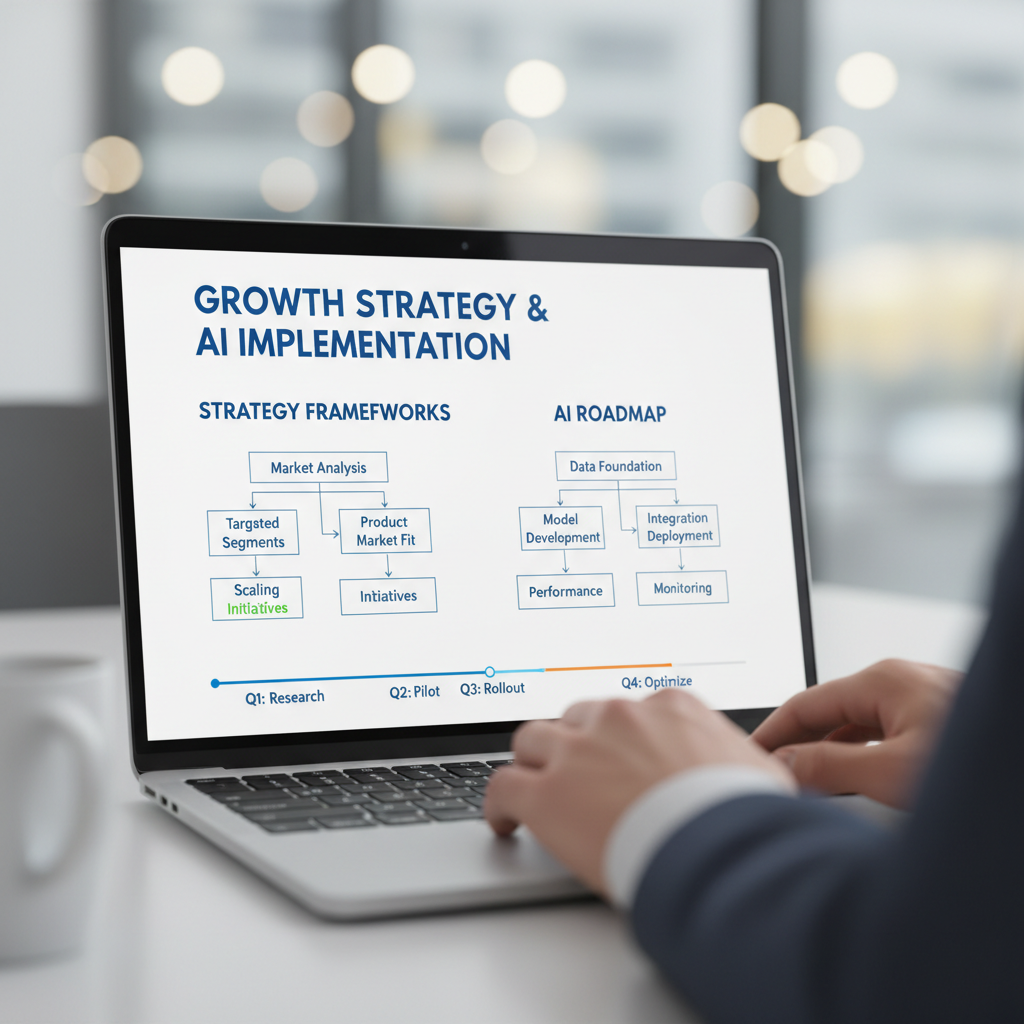
How to Evaluate AI Tools: Key Factors for Business Success


Understanding Your Business Needs
Before diving into the evaluation of AI tools, it's crucial to understand your specific business needs. Identifying the problem you aim to solve or the process you wish to enhance will guide your selection process. Whether it's improving customer service, streamlining operations, or enhancing data analysis, clear objectives will help narrow down the options.
Start by creating a list of requirements that align with your business goals. This list will serve as a benchmark to assess potential AI solutions and ensure they meet your expectations.

Assessing Functionality and Features
The next step is to evaluate the functionality and features of the AI tools you're considering. Look for tools that offer the capabilities you need without unnecessary complexity. Focus on core features that provide direct benefits to your operations.
Consider the adaptability of the tool. Can it be customized to fit your unique processes? Flexibility in features can significantly enhance the tool's effectiveness in your business environment.
Integration with Existing Systems
Seamless integration with your current systems is vital. An AI tool that requires extensive changes to your existing infrastructure can lead to increased costs and extended implementation times. Prioritize tools that offer easy integration.

Evaluating User Experience
User experience is a key factor in the successful adoption of any AI tool. A complex or unintuitive interface can hinder productivity and lead to frustration. Look for user-friendly AI solutions that offer comprehensive support and training resources.
Gather feedback from potential users within your organization. Their insights can provide valuable perspectives on the tool's usability and practicality in real-world scenarios.
Considering Cost and ROI
Cost is always an important consideration, but it should be weighed against the potential return on investment (ROI). An expensive tool that delivers significant improvements in efficiency or revenue can be more valuable than a cheaper option with limited impact.
Analyze the total cost of ownership, including initial setup, maintenance, and any additional resources required for implementation and training.

Security and Compliance
Security and compliance should never be overlooked when evaluating AI tools. Ensure that the solution adheres to industry standards and regulations relevant to your business. This includes data protection, privacy policies, and compliance with laws such as GDPR or HIPAA.
Work with your IT and legal teams to review the security measures and compliance certifications of potential AI providers.
Scalability and Future-Proofing
Finally, consider the scalability of the AI tool. Will it be able to grow with your business and handle increased workloads? A scalable solution will save time and money in the long run by avoiding frequent upgrades or replacements.
Additionally, choose tools that are future-proof, with regular updates and support from the provider to keep up with technological advancements.